On this page
- What’s physically changing inside an aging dog’s nose
- It isn’t only the nose — cognition plays a role too
- A case that complicates the simple aging story
- What can also cause or worsen smell loss in an older dog
- Where nutrition support fits, and where it doesn’t
- An edge case worth knowing: the dog who “loses smell” almost overnight
- What I’d actually tell you to bring to your vet
- Recap
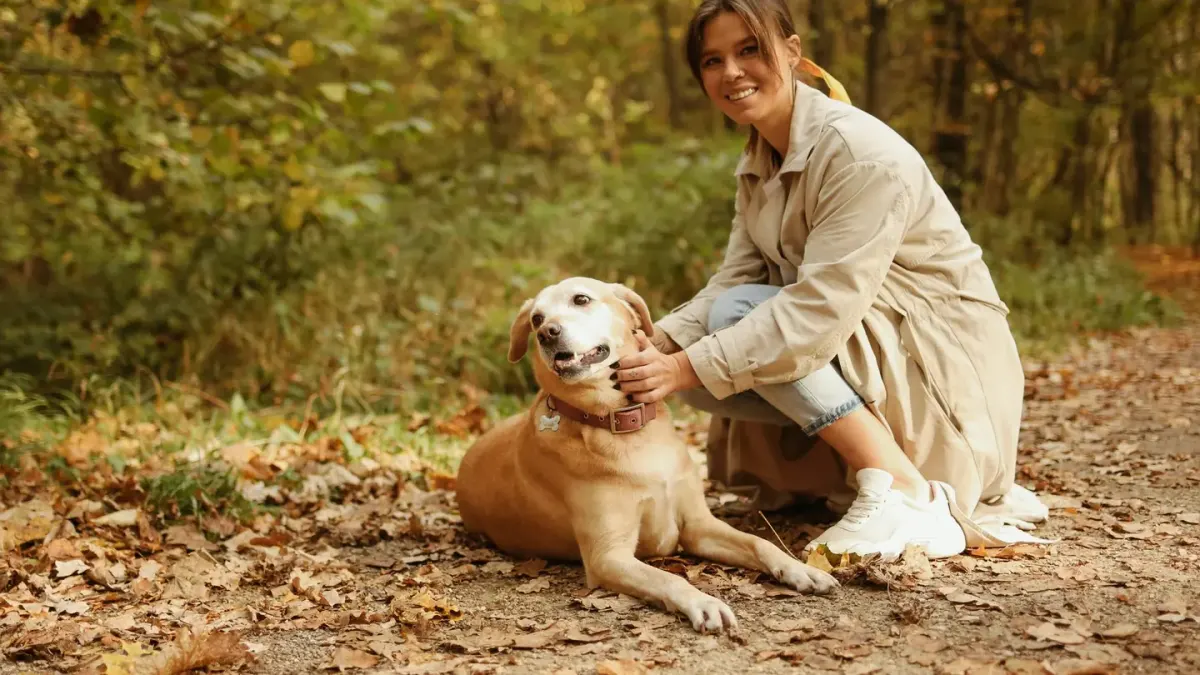
A twelve-year-old golden retriever used to plant his nose in the grass at the first curb and stay there, working a scent trail like it was a job. Lately his owner has noticed he walks past the same patch without slowing down. He still eats fine. He still greets people at the door. But the nose — the thing that used to run the whole walk — has gone quieter.
That’s the pattern I hear most often from families of senior dogs, and it deserves a direct answer instead of vague reassurance: yes, dogs really can lose smell acuity with age, and no, it usually isn’t one single event. It’s a slow drift, and treating it as a data point rather than a crisis is the more useful way to think about it.
What’s physically changing inside an aging dog’s nose
A dog’s sense of smell depends on the olfactory epithelium, a patch of specialized tissue lining the upper nasal passages, and the nerve pathways that carry that information to the brain. Research on aged dogs has documented atrophic changes with degeneration in the olfactory epithelium, with those changes most prominent in dogs over roughly 14 to 17 years old, according to an age-related changes study published via PubMed and confirmed through olfactory testing protocols described in Nature research on adult and senior pet dogs. The same research found a decrease in the number of olfactory cells and their cilia — the tiny hair-like structures that actually catch odor molecules — along with changes in the olfactory nerve layer and bulb.
In plain terms: the hardware for smelling gradually wears down, cell by cell, the same way joints stiffen or hearing dulls. It isn’t a switch that flips off. It’s closer to a dimmer that turns down over years, which is part of why owners often can’t point to the day it started.
It isn’t only the nose — cognition plays a role too
Smell decline in older dogs doesn’t happen in isolation from everything else going on in an aging brain and body. A study on medical conditions and cognitive decline in senior dogs found that dogs with more signs of cognitive dysfunction also tended to show more sensory decline and musculoskeletal or neurological signs, per findings summarized in NCBI research on cognitive decline in senior dogs. That overlap matters because it means a fading nose is sometimes one thread in a larger pattern — reduced interest in food, less enthusiasm on walks, more disorientation at home — rather than an isolated quirk.
This is where I ask families to widen the lens. A single missed scent on a familiar walk tells you very little. A pattern — less interest in the yard, slower to notice treats dropped nearby, general disengagement — tells you quite a bit more, and it’s the pattern I want written down before an appointment, not the one-off moment.
A case that complicates the simple aging story
I once worked with an eleven-year-old beagle mix whose owner was convinced the dog’s “lazy nose” on walks was just old age catching up. Reasonable assumption for a scent hound suddenly indifferent to rabbit trails. But the dog had also started sneezing occasionally and had one-sided nasal discharge that the owner had chalked up to seasonal allergies. Imaging found a nasal mass — not a normal aging change at all, but a structural problem physically blocking odor molecules from reaching working olfactory tissue. The lesson wasn’t that aging theories are wrong; it’s that “senior dog, less interested in smells” can hide a treatable or urgent problem underneath a plausible-sounding explanation, and ruling that out is worth the visit even when age alone seems like the obvious answer.
What can also cause or worsen smell loss in an older dog
Aging tissue is the baseline explanation, but it isn’t the only one, and I don’t want families to stop investigating just because a dog is old. Documented contributors to reduced smell in dogs include upper respiratory infections, chronic nasal inflammation from allergies, physical obstructions like nasal polyps or tumors, and systemic conditions such as hypothyroidism and diabetes mellitus, according to a review of canine olfactory function in Frontiers in Veterinary Science. Some medications, including certain steroids, can also blunt the sense of smell.
Aging itself brings measurable physical and functional shifts across a dog’s senses and body systems, a pattern documented broadly in veterinary literature on AVMA Journals: common changes associated with aging in dogs. Smell is just one system among several worth tracking together — mobility, appetite, hearing, and sleep patterns often shift on a similar timeline, and watching them as a set gives a clearer picture than watching any one in isolation.
Where nutrition support fits, and where it doesn’t
Families often ask whether a supplement can slow this kind of cellular change. The honest answer is limited but not nothing. Nicotinamide riboside is a NAD+ precursor that supports normal cellular function. Quercetin is a flavonoid with antioxidant properties studied for immune and cellular support, per the same source. Resveratrol and quercetin together are antioxidants studied for their support of cellular health and vitality. None of that translates into a promise of restored scent — the olfactory epithelium changes documented in aged dogs are structural, not something a supplement reverses — but general cellular support is a reasonable piece of a broader senior-wellness conversation, alongside diagnosis of any treatable cause.
I’ll also say plainly what the evidence does not support: quercetin at studied concentrations did not affect feeding behavior in a lab model, per a study indexed at Quercetin feeding behavior study: DOI.3390/ph19040525, and resveratrol exposure in an embryonic model actually shortened lifespan in that system, per Embryonic resveratrol exposure study: DOI.1016/j.phymed.2026.158531. I cite those not to scare anyone off ingredients with real supportive evidence elsewhere, but because a credible source names its limits, not just its wins.
An edge case worth knowing: the dog who “loses smell” almost overnight
Not every case fits the slow-drift story, and that’s the exception I want owners to recognize. A nine-year-old dachshund I evaluated seemed completely normal on smell one week and almost indifferent to food and treats the next — a change over days, not years. That timeline doesn’t match gradual epithelial aging at all; it’s more consistent with an acute problem like a severe upper respiratory infection, sudden nasal obstruction, or in rarer cases a neurological event. The rule of thumb I give families: gradual change over many months fits the aging story I’ve described above; a sudden, sharp change in days deserves a same-week vet visit, not a wait-and-watch approach.
Front-leg gait changes are another small, easy-to-miss signal families sometimes notice around the same life stage, and it’s worth reading what shorter front-leg steps may tell us about cognitive change in senior dogs if that’s part of what you’re seeing at home too.
What I’d actually tell you to bring to your vet
A vague “he doesn’t seem as into smells anymore” is hard for any veterinarian to act on. A short, specific list is not:
- When you first noticed the change, even roughly
- Whether it’s been gradual (months) or sudden (days)
- Any accompanying signs: sneezing, nasal discharge, appetite change, increased thirst, disorientation
- Your dog’s age, breed, and any existing diagnoses like hypothyroidism or diabetes
- Whether the change tracks with other senior signs — hearing, mobility, sleep
Recap
An old dog’s fading interest in scent is usually the olfactory epithelium doing what aging tissue does — gradually, cell by cell, over months or years. That’s the pattern worth expecting. But sudden changes, one-sided nasal discharge, or a cluster of other new signs are the pattern worth acting on quickly. Either way, treat what you’re seeing as information gathered over time, bring the specifics to your veterinarian, and let a proper exam sort ordinary aging from something that needs treatment.
Frequently asked questions
Can a senior dog's sense of smell come back?
Loss tied to normal aging of the olfactory epithelium is generally not reversible, but smell loss caused by treatable issues like infections, nasal inflammation, or obstructions can often improve once the underlying cause is addressed.
At what age do dogs typically start losing their sense of smell?
Documented olfactory epithelium changes become most pronounced in dogs older than roughly 14 years, per research on age-related changes in the canine olfactory system, though subtle decline can begin somewhat earlier.
Is a fading sense of smell connected to canine cognitive dysfunction?
Research has found dogs with more cognitive decline signs often show more sensory decline overall, so a fading nose can be one thread in a broader pattern worth mentioning to your vet.
Sources
- A novel task of canine olfaction for use in adult and senior pet dogs — Nature
- The Relationship between Signs of Medical Conditions and Cognitive Decline in Senior Dogs — NCBI
- Age-related changes in the olfactory system of dogs — PubMed
- When the Nose Doesn't Know: Canine Olfactory Function Associated With Health, Management, and Potential Links to Microbiota — Frontiers in Veterinary Science
- Common physical and functional changes associated with aging in dogs — AVMA Journals
- Quercetin feeding behavior study — DOI
- Embryonic resveratrol exposure study — DOI