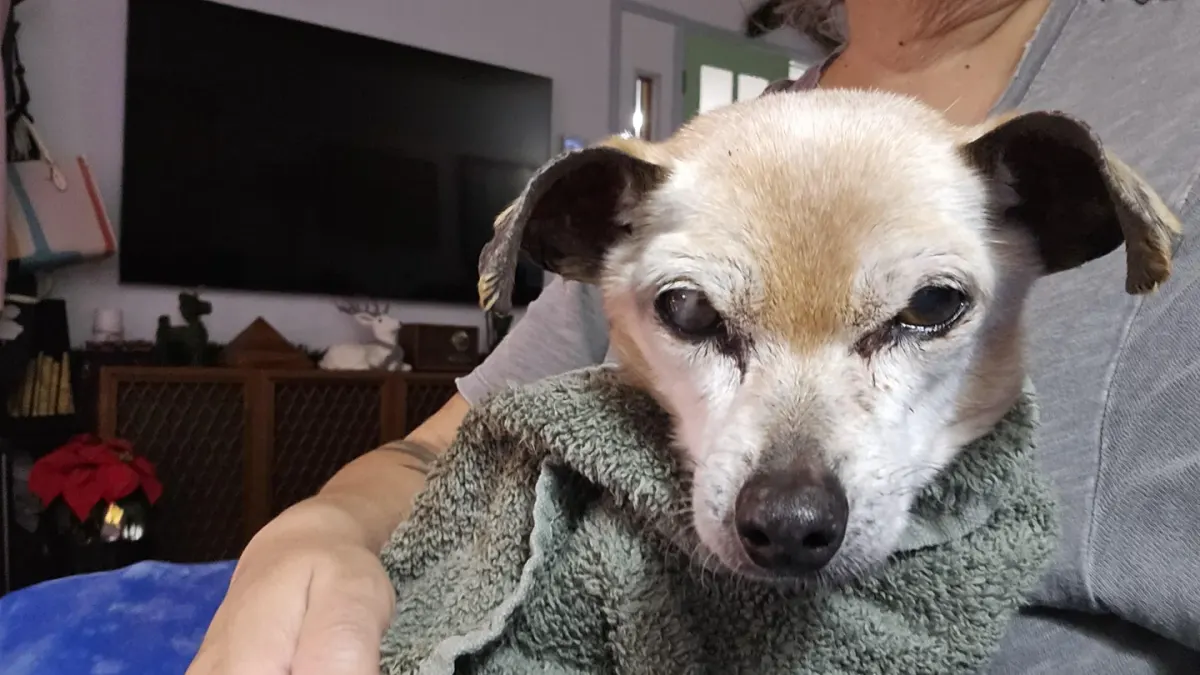
Laura first noticed it when Olaf, her 12-year-old Pit Bull Terrier, started pausing halfway up the two porch steps in Plano, then looking back for a lift he never used to need.
That small pause is the kind of information I watch in older dogs. It does not diagnose arthritis by itself, but it gives us a pattern to bring to the next veterinary conversation: when stiffness shows up, how long it lasts, and what helps it ease.
Families often ask me whether an arthritis shot for dogs can replace daily joint care. In my view they serve different roles, and comparing them honestly helps more than treating them as rivals.
What an arthritis shot means at the clinic
When veterinarians say arthritis shot, we usually mean an injectable given in the clinic for osteoarthritis pain, not a vaccine and not a cure for worn cartilage.
Two types come up most often for senior dogs:
- Anti-nerve growth factor antibody, given monthly. Librela (bedinvetmab) targets nerve growth factor involved in osteoarthritis pain signaling. - Polysulfated glycosaminoglycan, given as a series. Adequan Canine (polysulfated glycosaminoglycan) is given intramuscularly, often as a loading series then less often, with the goal of supporting joint function while pain and movement are monitored.
Neither option rebuilds a normal young joint. What families often see, when the drug fits the dog, is easier rising, steadier steps on familiar floors, and more willingness to take a short walk.
What daily support does between injections
Daily care is the quiet work that keeps good days more consistent.
I think of it in three buckets:
- Steady movement: short, level walks, traction rugs, and a ramp for the car or porch steps
- Weight and muscle: keeping ribs easily felt under a light cover, with gentle strength from regular walks your veterinarian approves
- Joint nutrition and comfort plan: food, omega-3s, and any oral joint supplement your veterinarian recommends, given consistently and reviewed at rechecks
Glucosamine and chondroitin are among the most studied joint support ingredients for dogs. They do not work like an injection for pain, and they do not show the same rapid effect families sometimes expect after a shot. Their role is supportive: part of a daily routine alongside weight control, exercise, and prescribed pain care.
For families comparing labels, our guide on How to Compare Dosage Guidance Across Dog Longevity Supplement Brands can help you ask clearer questions, and Do Small Dogs Reach Senior Needs Earlier Than Large Breeds? A Vet’s Answer adds context on why age and size change the plan.
How I help families compare the two
I ask families to track the same four observations for two to three weeks, because aging is information gathered over time:
- Time to rise from a bed in the morning
- Limping, toe dragging, or sitting out on a usual walk
- Stairs, car entry, and slippery floors
- Evening restlessness, panting, or licking at a joint
Bring that list to your veterinarian, along with current medications and supplements. VCA Hospitals notes that canine arthritis care often combines weight management, controlled exercise, and medications or other therapies tailored to the dog, which is why one shot rarely carries the whole plan.

Ask specifically:
- Is my dog a candidate for an injectable, given kidney, liver, neurologic, and other conditions?
- What benefit should we expect, by when, and how will we measure it?
- What side effects should prompt a call?
- What daily exercise, weight target, and home setup should stay in place?
- When do we recheck, and what would lead us to adjust dose, interval, or add pain medication?
If cost or travel is a concern, say so early. A plan you can sustain matters more for quality of life than a perfect plan you cannot maintain.
For brain aging that sometimes overlaps with slower movement, Dog Mental Sharpness Supplements: What Actually Helps an Aging Brain may help you separate mobility changes from cognitive changes to discuss with your veterinarian.
Olaf’s family did that kind of tracking. The porch-step pause was worse in the morning, better after a slow lap around the yard, and harder again after long naps. That pattern gave his veterinarian something concrete to examine, and a baseline to judge whether any change in pain care was actually helping.
Injections and daily support work best as partners. The shot may lower the pain signal, and the daily routine protects strength, traction, and rhythm in between.
Frequently asked questions
Do arthritis shots cure arthritis in dogs?
No. Injections used for canine osteoarthritis aim to control pain and support function. Cartilage wear remains, so weight control, home traction, steady exercise, and rechecks still matter.
How fast does an arthritis shot work?
It depends on the drug, the dog, and the severity of disease. Ask your veterinarian what change to watch for, by what date, and how you will track rising, walking, stairs, and rest at home.
Can a dog stay on joint supplements after an injection?
Often yes, but bring the full product list to your visit. Your veterinarian can review ingredients, dosing, and interactions with prescribed pain medications and decide what should continue.
Sources
- Arthritis in Dogs — VCA Hospitals