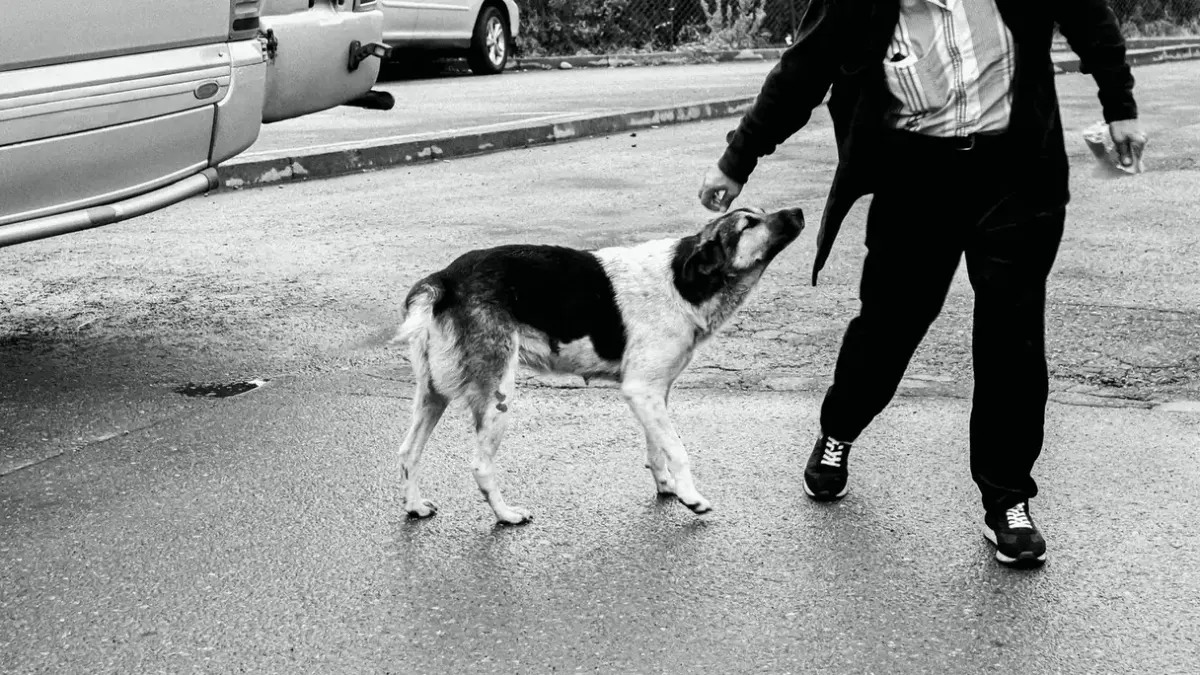
Billy noticed it while rubbing Nate down after a short walk in Hampton. The 10-year-old Bull Terrier still wagged hard, but the ribs felt a little sharper than last month, and the waist looked tucked a bit faster behind the ribs.
That small change is exactly what a home body condition check is for. Aging is rarely one dramatic drop. It is information gathered over time, and weight and muscle are some of the clearest signals you can track between visits.
I want families to prioritize trend over any single score. One bony feel after a busy week matters less than the direction across two or three monthly checks.
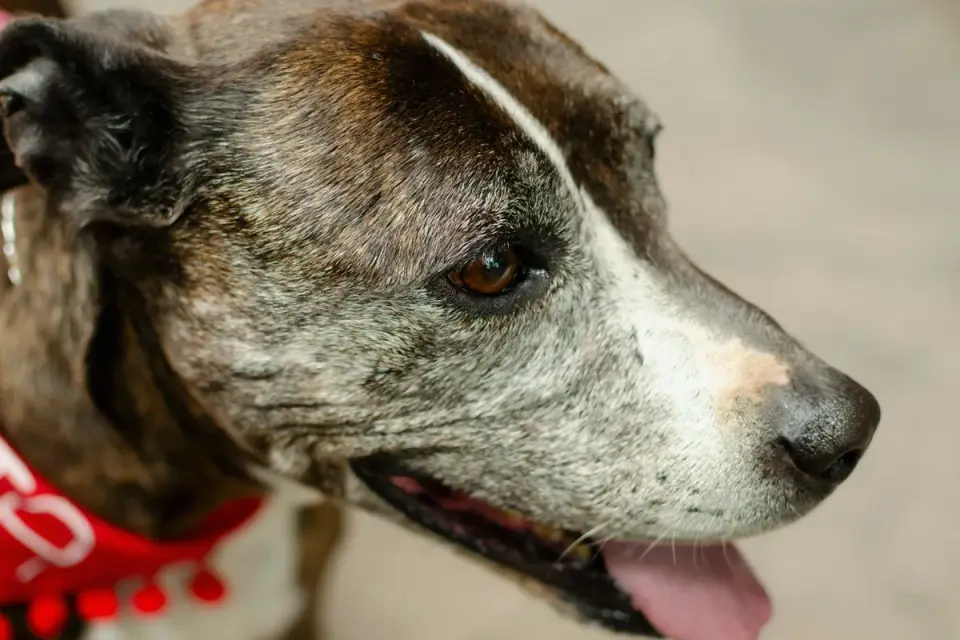
Why senior shape shifts even when meals stay the same
Older dogs often lose muscle while keeping or gaining fat, so the scale alone can mislead. You can have the same weight in January and May and still have less strength to climb stairs or rise from a bed.
That is why veterinarians pair weight with a 9-point body condition score and a separate muscle check. The WSAVA nutrition assessment approach asks for both, because fat cover and lean mass tell different stories about comfort and function.
The AAHA weight-management guidance makes the same point for practice teams: record condition at every visit, then adjust food and activity to the trend.
Watch the trend.
The three-touch check you can do in five minutes
Pick the same time each month, after a potty walk and before a meal. Stand back, then use your hands. No special tool needed.
- Ribs: Run flat fingers lightly over the side. You should feel ribs easily with a thin fat cover, like the back of your hand, not see every rib from across the room.
- Waist and belly: Look from above for a gentle waist behind the ribs, then from the side for a slight abdominal tuck. A long, flat rectangle with no waist often means extra fat. A sharp, bony tuck with visible spine or hip bones can mean weight loss or muscle loss.
- Muscle over shoulders, spine and thighs: Press gently along the top of the shoulders, beside the spine and over the thighs. Muscle should feel firm and even. Hollows above the eyes, a bony spine, or thin thighs with a round belly point more to muscle loss than simple thinness.
Write down three things: date, what you felt in one sentence, and any change in food, treats, walks or stairs that month. A phone note works. If you want language for appetite dips that often go with these changes, this piece on How to Help a Senior Dog Who Has Lost Interest in Food can help you describe it clearly.
Families in San Diego living with small seniors see a version of this too. Darren tracks Leila, his 8-year-old Maltese, on the bathroom scale by holding her and subtracting his own weight, then adds a one-minute rib and waist check. When her 7.2-pound baseline drifted down for two months in a row, the log made the vet conversation simple.
What to bring to your veterinarian
Bring the log, not just the number. Say what changed, when it started, and what daily life looks like now: stairs, distance, appetite, stool and thirst.
Ask directly: is this fat loss, muscle loss, or both, and what should we monitor next. Ask whether pain, dental trouble, nausea or cognition could be reducing movement or meals, and whether a recheck weight in 2 to 4 weeks makes sense.
You do not need to diagnose the cause at home. Your job is clean observation.
If stairs and walking distance are also changing, note front-leg shortness or staring episodes separately rather than folding them into the weight note. You can compare with What Shorter Front-Leg Steps May Tell Us About Cognitive Change in Senior Dogs and Why a Senior Dog Stares at Walls or Blank Spaces before the visit, then let your veterinarian sort what fits together.
Small-breed timing can confuse families, since tiny dogs may show age-related needs on a different schedule than large dogs. For context on that curve, see Do Small Dogs Reach Senior Needs Earlier Than Large Breeds? A Vet’s Answer.
So what should you do this week?
Do one calm check, write it down, and repeat it next month. That steady record turns worry into useful information your veterinarian can act on.
Frequently asked questions
What is a good body condition score for a senior dog?
Most veterinarians aim for 4 to 5 on the 9-point scale, with ribs easily felt under light cover and a visible waist. Seniors with muscle loss may need a separate muscle score and a vet plan even when the fat score looks normal.
How often should I check my older dog at home?
Once a month works for most seniors, plus a recheck 2 to 4 weeks after any diet, portion or activity change. Bring the dated notes to each veterinary visit.
My dog weighs the same but looks thinner. What gives?
Stable weight with hollows over the shoulders or thighs often reflects muscle loss with fat gain. Log what you feel and see, note stairs and stamina, and ask your veterinarian whether pain, intake or illness is contributing.